

To fix a noisy air conditioner, start by checking for loose parts, debris, dirty filters, or airflow issues, and schedule professional maintenance to inspect components like the fan motor, compressor, and ductwork. It’s crucial to address a Noisy AC promptly to prevent further damage.
If your air conditioner is making unusual noises, it’s more than just an annoyance — it could be a sign of a serious issue.
In hot climates like Tucson and Southern Arizona, a properly functioning AC unit is essential. This guide will help you identify the source of the noise, understand what it means, and decide whether you can fix it yourself or need professional help.
Ignoring a Noisy AC can lead to costly repairs down the line, so it’s important to diagnose the issue as soon as possible.
If you’ve tried simple fixes but still have a loud AC unit, Done Rite Services is ready to help. Our team of experts can quickly diagnose the problem and correct the issue so you can enjoy some peace and quiet again. We even offer emergency AC repair services, so don’t hesitate to call.
Table of Contents
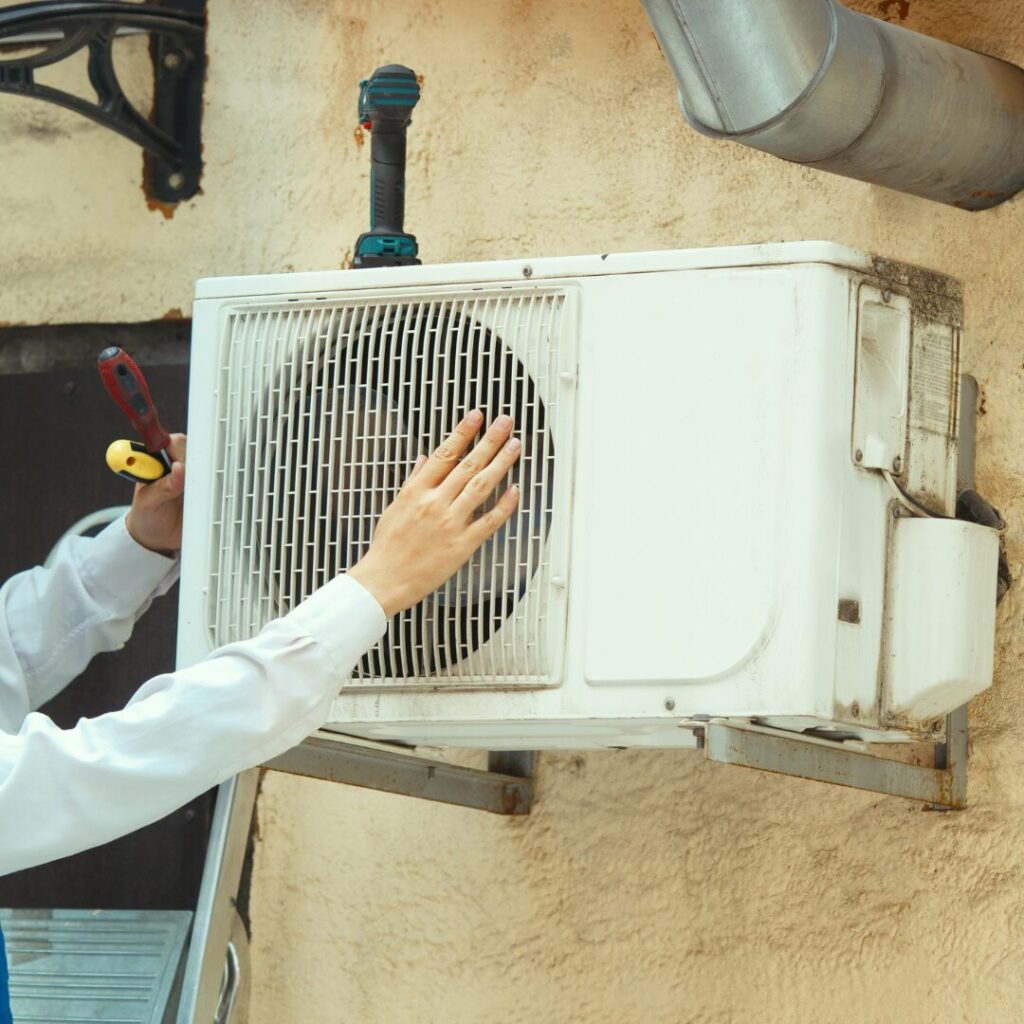
Why Is My AC So Loud?
A loud AC can indicate anything from loose parts and debris in the unit to more serious mechanical issues.
Rattling often points to loose screws or panels, while buzzing may suggest electrical problems or a failing capacitor.
Banging noises can mean a broken compressor or fan blade, and hissing might signal a refrigerant leak. Even a dirty filter or clogged coil can strain the system, causing unusual sounds.
Loud operation isn’t just annoying—it’s a warning sign. Ignoring it could lead to system damage or failure, so prompt inspection is essential to identify the source and prevent costly repairs.
Common Noises From AC Units and What They Mean
Different sounds can indicate different problems. Here’s a breakdown of common AC noises and their likely causes:
- Banging: Often caused by a loose or broken part inside the compressor.
- Clanking: Sign of an unbalanced or loose part, such as the indoor blower or outdoor fan blades.
- Clicking: Normal when turning on/off, but persistent clicking may indicate a failing thermostat or electrical issue.
- Buzzing: Could stem from loose parts, debris, a dirty condenser coil, or electrical problems.
- Squealing: Usually a belt issue or a sign that motor bearings need lubrication or replacement.
- Hissing: May suggest a refrigerant leak or internal valve leak.
- Rattling: Loose debris or parts inside the unit can cause this sound.
Step-by-Step AC Troubleshooting Tips
Before calling in a professional, use these troubleshooting steps to identify and potentially resolve the issue:
- Turn Off the Unit: Prevent further damage by shutting off your AC at the thermostat and breaker.
- Inspect for Debris: Check the outdoor condenser unit for leaves, twigs, or dirt that may be obstructing the fan.
- Tighten Loose Screws or Panels: Use a screwdriver to secure any loose screws on the exterior panels.
- Change the Air Filter: A clogged air filter can cause the system to work harder and make noise.
- Check Fan Blades: Look for bent or loose blades in both indoor and outdoor units.
- Inspect Belts and Bearings: If accessible, check for wear and tear on belts and lubricate bearings if needed.
- Listen for Specific Sounds: Try to identify and match the noise to the issues listed above.

AC Unit Making Loud Noise? How To Fix a Noisy AC Unit
Loud AC noises aren’t just disruptive—they’re often early signs of mechanical or airflow issues that can worsen over time. Addressing the source promptly helps prevent damage, reduces energy waste, and extends your system’s lifespan.
How To Fix a Noisy AC Vent
Noisy AC vents are often caused by restricted airflow due to dirty filters, closed vents, or undersized ductwork. Start by replacing the air filter and ensuring all vents are open.
If the noise persists, have a technician inspect your duct system for leaks or sizing issues. Duct liners or insulation can also reduce rattling or whistling sounds.
How To Fix a Noisy Air Conditioning Compressor
A loud compressor can indicate worn internal components, loose hardware, or a failing motor. If the noise is buzzing or rattling, shut off the unit and call a professional immediately.
Compressors are complex and high-pressure parts—attempting DIY repairs can be dangerous. In many cases, replacing the compressor or installing sound blankets may be necessary.
How To Fix a Noisy AC Unit Outside
Outdoor unit noise may be caused by loose panels, vibration, or debris caught in the fan. Check for twigs, leaves, or screws that may have come loose.
Use rubber isolation pads under the unit to reduce vibration. If the sound is electrical, such as clicking or buzzing, have a technician inspect internal components.
How To Fix a Noisy AC During Startup
Noises during startup, like clicking, banging, or humming, can signal capacitor issues, relay switch failure, or pressure imbalances. These problems may prevent the system from starting or cause it to run inefficiently.
While some noises are harmless, sudden or persistent ones should be evaluated by a professional to avoid long-term damage.
How To Fix a Noisy AC Blower Motor
A noisy blower motor can produce squealing, grinding, or thumping sounds, often due to worn bearings, a loose belt, or motor failure. Lubricating motor bearings or tightening loose components may help, but if noise persists, replacement might be necessary.
Blower motor issues can affect airflow and efficiency, so prompt service is key to preventing a total breakdown.
How To Fix a Noisy AC Due to Refrigerant Issues
Hissing or bubbling noises may indicate a refrigerant leak or pressure imbalance within the system. These sounds often come from the evaporator or condenser coil areas.
Leaks can reduce cooling capacity and pose safety risks. Because handling refrigerant requires EPA certification, a licensed technician should inspect and repair these problems immediately.
How To Fix a Noisy AC Due to Vibration
Excessive vibration can cause rattling or humming noises, especially if the unit isn’t level or is mounted improperly. Placing anti-vibration pads under the outdoor unit and tightening mounting hardware can reduce noise.
If vibration continues, it could signal motor or fan imbalance needing professional attention.
How To Fix a Noisy AC Due to Ductwork
Popping, banging, or whistling from ductwork is often caused by pressure changes, loose connections, or undersized ducts.
Installing flexible duct connectors, sealing leaks, or adding insulation can reduce noise. A technician can evaluate whether your ductwork is properly sized for your system.
How To Fix Electrical Noises in AC Systems
Clicking, buzzing, or humming sounds may indicate electrical issues like a failing contactor, relay, or capacitor. These components manage system startup and power flow.
Electrical problems can worsen quickly and become hazardous, so call a professional immediately for safe repairs.
When To Call a Professional HVAC Technician for Noisy Air Conditioning
Some AC noises indicate serious problems that require professional attention. Call a licensed HVAC technician in Tucson, AZ if you:
- Suspect a refrigerant leak (hissing sounds or low cooling performance).
- Hear persistent electrical buzzing or clicking.
- Notice a burning smell or signs of overheating.
- Experience recurring issues even after basic troubleshooting.
Local HVAC experts, like those at Done Rite, are familiar with common issues in Southern Arizona’s climate and can quickly diagnose and repair your system.
Preventing Noisy AC Units in the Future
Regular maintenance can prevent most AC noise issues. Here’s how homeowners in Tucson can keep their systems running smoothly:
- Schedule Seasonal Maintenance: Have your HVAC system inspected and tuned up twice a year.
- Replace Air Filters Monthly: Particularly during peak cooling seasons in Arizona.
- Keep Outdoor Units Clean: Clear away debris and ensure there’s at least 2 feet of clearance around the unit.
- Listen Early: Address unusual sounds before they become expensive repairs.
AC Making Loud Noise? Done Rite Can Help
If your air conditioner is making strange noises and you’re not sure what to do, contact Done Rite Services today. We specialize in AC repair for Tucson and Southern Arizona homes and provide fast, reliable service to get your home cool and quiet again.
Don’t let a noisy AC ruin your comfort—trust local HVAC professionals to diagnose and fix the issue quickly and affordably.
Frequently Asked Questions
Why is my outside ac unit making loud noise while running?
Loud outdoor AC noise could mean loose parts, debris in the fan, worn bearings, or a failing compressor. Buzzing, banging, or grinding sounds often signal internal issues that should be inspected by a professional to avoid further damage or system failure.
Can resident below me sue because ac is too loud?
If your AC is causing excessive noise that disrupts neighbors, especially in multi-family housing, they may have grounds for a complaint or legal action. Ensuring your system meets local noise ordinances and addressing any unusual sounds quickly can help prevent disputes.
How to quiet a noisy air conditioner?
To quiet a noisy AC, clean or replace filters, tighten loose panels, and remove debris. Add insulation to ductwork, use anti-vibration pads, and schedule maintenance to catch worn parts early. If noise persists, a technician can diagnose and fix the root cause.
Why is my new ac so loud inside my house?
If a new AC is loud indoors, it may be improperly sized, poorly installed, or connected to undersized ducts. High airflow or resonance in ductwork can amplify sound. Have an HVAC technician check installation quality, airflow settings, and duct configuration to resolve it.