
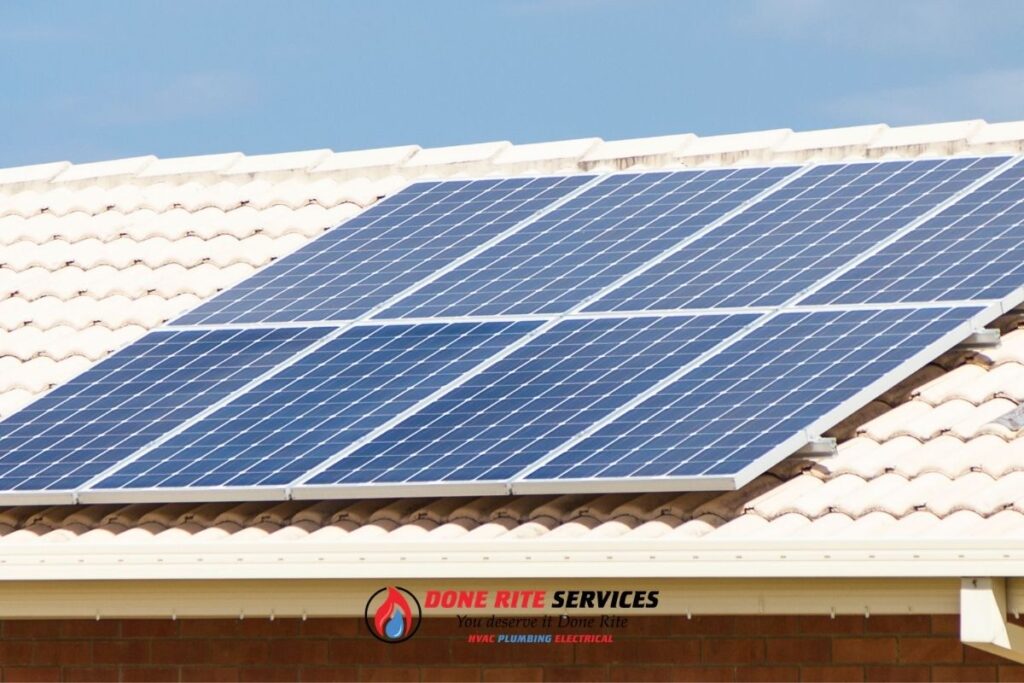
For most Tucson homeowners, solar AC is worth it due to high summer electricity costs and strong solar production, with savings that typically offset installation costs over time. However, it’s most beneficial when properly sized and paired with a home plan that prioritizes long-term energy savings.
With over 300 days of sunshine each year, Tucson homeowners have a unique advantage when it comes to solar powered air conditioning, but does using solar energy to cool your home actually make financial sense?
In this guide, we break down the types of solar AC systems, the real costs involved, and whether this renewable energy option is worth considering for your Arizona home.
Ready to begin planning your solar air conditioner installation? Call (520) 369-3966 with an HVAC expert regarding any questions you may have, or request your free estimate today.
Table of Contents
How Does Solar Air Conditioning Work?
A solar air conditioner captures energy from the sun through solar panels and converts it into electricity to power your HVAC system.
Instead of drawing all your cooling power from the grid, you offset some or all of your energy consumption with photovoltaic (PV) panels installed on your roof.
The process is straightforward. Solar panels generate DC (direct current) electricity, which an inverter converts to AC (alternating current) for your home.
That electricity powers your air conditioner, compressor, and thermostat just like grid power would but with lower utility bills and a smaller carbon footprint.
For Tucson homeowners, the math is especially appealing. Air conditioning accounts for a significant portion of electricity usage during our brutal summer months, and solar energy production peaks at the same time cooling demand is highest.
Types of Solar Powered AC Systems
Not all solar air conditioner setups are the same. Here are the three main options:
DC-Powered Air Conditioner
These off-grid air conditioner units run directly on DC power from solar panels, thus eliminating the need for an inverter. A DC-powered air conditioner is typically a ductless mini split system with dedicated solar panels.
They work well for cooling individual rooms and are popular for off-grid setups, garages, and workshops.
Solar Hybrid Air Conditioner
A solar hybrid air conditioner connects to both solar panels and grid power. When the sun is shining, the system runs on solar energy. At night or on cloudy days, it switches to grid power automatically.
This is the most practical option for most homeowners because it offers energy savings without requiring battery storage.
Many hybrid systems feature a variable speed compressor that adjusts output based on available solar power, keeping your home at a comfortable temperature while maximizing energy efficiency.
Solar-Powered Central Air Conditioning (Grid-Tied)
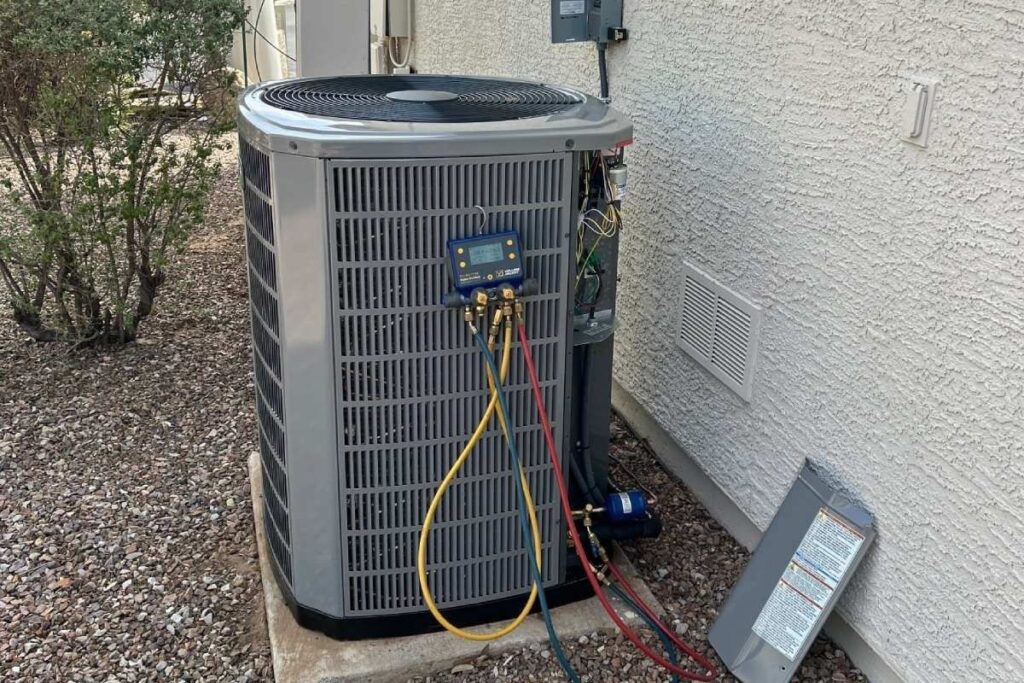
This approach uses a standard central HVAC system paired with a rooftop solar panel array. A grid-tied system feeds solar electricity into your home’s electrical panel, offsetting the energy your air conditioner uses.
With net billing, excess power goes back to the grid for credits on your utility bill. This is the most common setup for Arizona homeowners looking to reduce cooling costs across their entire home.
Solar AC Cost and Payback Period
The installation cost for a solar powered cooling system depends on the type and size you choose:
- A standalone DC-powered mini split with dedicated panels typically runs $3,000 to $6,000.
- A hybrid solar air conditioner unit ranges from $2,000 to $5,000 plus panel costs.
- A full rooftop solar panel system to power central air ranges from $15,000 to $25,000 before state incentives and rebates.
In Tucson, most homeowners see a payback period of 7 to 12 years on a full solar system, depending on system sizing, electricity rates, and usage patterns.
After that, your cooling costs are significantly reduced for the remaining 15 to 20 years of your system’s life. That is a strong ROI (return on investment) for a long-term energy independence strategy.
Pros and Cons of a Solar Air Conditioner
Before investing in a solar cooling system, it is important to weigh both the benefits and potential drawbacks.
While solar AC can significantly reduce energy costs and environmental impact, it also comes with upfront expenses and system considerations that may not fit every home.
Pros
- Lower utility bills, especially during peak demand summer months when time-of-use rates are highest in Arizona.
- Reduced carbon footprint and reliance on fossil fuels for renewable energy.
- Potential state-level solar incentives make the upfront cost more manageable.
- Solar production peaks when cooling demand peaks, which is a perfect match for Tucson’s climate.
- Increased home value; solar adds an average of 4% to home resale prices.
- Energy savings compound over the 25+ year lifespan of modern solar panels.
Cons
- High upfront installation cost before incentives.
- Battery storage adds significant expense if you want off-grid cooling at night.
- Not every roof has an ideal orientation or condition for solar panel installation.
- System sizing must be done correctly; undersized systems will not fully offset your cooling costs.
- Like any other HVAC system, air conditioner maintenance is still required, including panel cleaning during monsoon season when dust buildup is common in the Tucson area.
Is Solar AC Worth It in Tucson, Arizona?
For most Tucson homeowners, the answer is yes, particularly if you plan to stay in your home for 10 or more years.
Arizona has some of the highest electricity costs during summer peak hours, and our abundant sunshine makes solar powered cooling systems more productive here than almost anywhere in the country.
If you already have a high-efficiency air conditioner with a strong SEER rating, adding solar panels to offset its energy consumption is one of the best investments you can make.
Even a solar powered ductless mini split in a single room can make a noticeable dent in your electricity bill during the hottest months.The key is proper system sizing and working with experienced professionals.
Your HVAC contractor can help determine the right BTU capacity for your space, and a qualified solar installation company, such as Saguaro Solar Electric, a solar company based in Tucson, Arizona, can design a solar panel system matched to your cooling needs.
Getting Started With Solar Powered Air Conditioning System
Before committing to a solar AC system, consider these steps:
- Schedule an HVAC inspection to evaluate your current air conditioning system’s overall health.
- Get a solar assessment to determine your roof’s potential and the right system sizing for your home.
- Compare options, whether a ductless mini split or a central AC unit makes the most sense for your situation.
- Factor in local utility rebates and net metering credits to calculate your true out-of-pocket cost.
Get Expert Help With Solar AC Installation in Tucson
If you are considering making the switch to solar powered cooling for your Tucson home or you need help determining whether your current HVAC system is ready for solar integration, working with an experienced professional is the best place to start.
A qualified technician can evaluate your system efficiency, recommend the right solar powered AC unit, and ensure proper sizing for maximum energy savings.
Done Rite Services provides expert guidance for green air conditioning, from initial assessment to installation planning, helping you reduce energy costs while improving home comfort. Call us at (520) 369-3966 or schedule your free estimate today.