A whole house surge protector shields every circuit in your home from damaging voltage spikes caused by lightning, utility grid fluctuations, and everyday appliance cycling. Without it, sensitive systems such as HVAC units, appliances, and smart devices are left vulnerable to costly, cumulative electrical damage over time.
Power surges happen more often than most Tucson homeowners realize. Every time a monsoon rolls through, lightning strikes nearby, or your HVAC system cycles on and off, small voltage spikes travel through your home’s wiring.
Over time, these surges quietly damage your electronics, appliances, and smart home devices.
A whole house surge protector is the single best investment you can make to protect everything plugged into your electrical panel, and in this guide, we’ll cover exactly how they work, what they cost, and why every home in the Tucson area should have one.
Ready to protect your home’s electrical system? It all starts with a thorough electrical inspection. Call Done Rite Services at (520) 369-3966 to speak with an electrical expert today. We offer free estimates for repair work and upgrades.
What Is a Surge Protector?
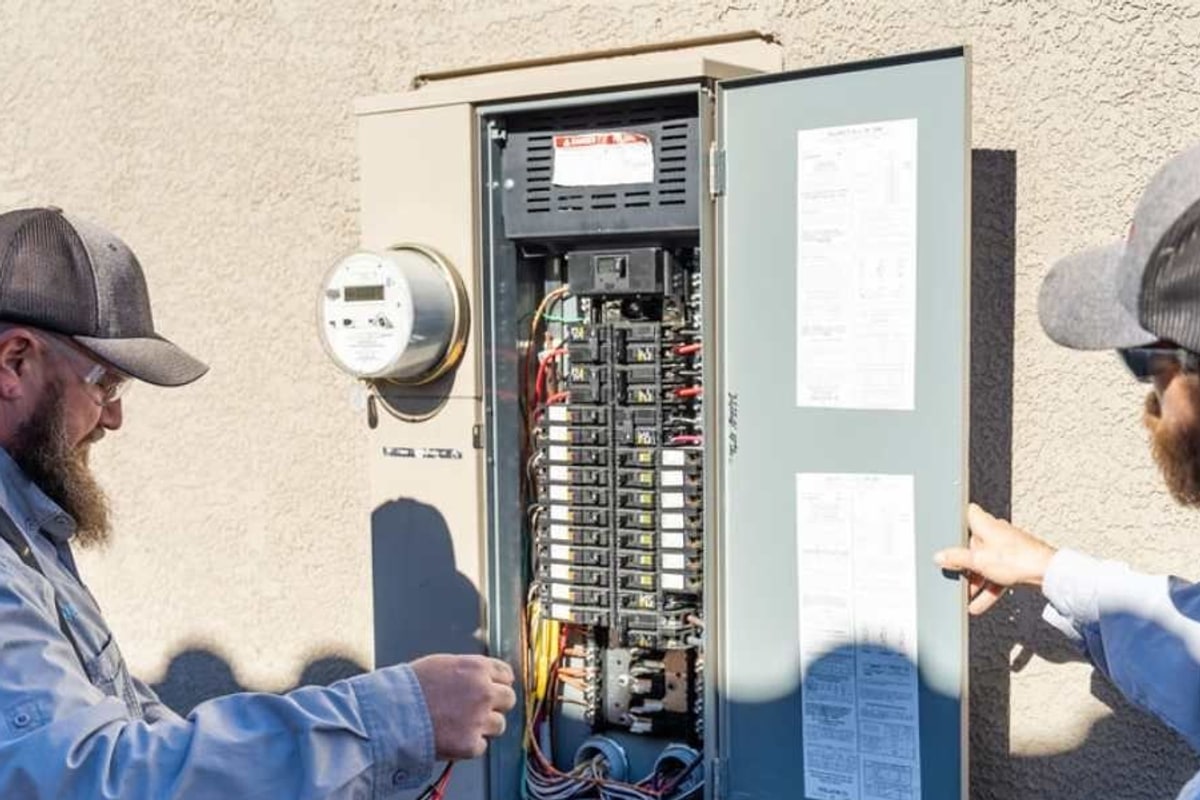
A whole house surge protector, also called a surge protective device (SPD), is a piece of equipment installed directly at your electrical panel.
Unlike a power strip that only protects what’s plugged into it, a whole house SPD shields every circuit and outlet in your home from dangerous voltage spikes.
These devices work by detecting excess voltage and diverting it safely to the ground wire before it reaches your electronics.
The core component inside most whole home surge protectors is a metal oxide varistor (MOV), which absorbs the surge energy and dissipates it harmlessly.
When voltage stays within normal range (around 120V for standard outlets), the MOV sits idle. When voltage spikes above that threshold, the MOV activates in nanoseconds to clamp the voltage down to a safe level.
This clamping voltage, often measured as the Voltage Protection Rating (VPR), tells you how much voltage the device lets through before it activates. Lower VPR means better protection. Look for devices rated at 400V or less for optimal performance.
Types of Surge Protectors: Type 1, Type 2, and Type 3
Not all surge protectors are the same. The UL 1449 standard classifies them into three types based on where they’re installed.
Type 1 Surge Protector
Type 1 SPDs are installed at the service entrance, before power reaches your main breaker. These handle the heaviest surges, including direct lightning strikes to power lines. They’re rated for 10kA or 20kA of surge current and provide the first line of defense for your home.
Remember that a Type 1 surge protector only protects surges coming from power lines, not those produced inside the home.
Type 2 Surge Protector
Type 2 SPDs are the most common choice for whole house protection. They install inside or right next to your electrical panel on a dedicated breaker.
An electrical panel surge protector is what most electricians recommend for residential homes, as they offer strong protection against both external surges from the utility grid and internal surges from your own appliances.
Type 3 Surge Protector
Type 3 SPDs are your point-of-use protectors. These include power strips and plug-in surge protectors. These provide an extra layer of protection for sensitive electronics such as computers and home entertainment systems.
The smartest approach is layered protection. Install a Type 2 surge protector as your primary defense and then add quality Type 3 protectors at the point of use for your most sensitive electronics. This combination ensures comprehensive coverage for your entire home.
What Appliances and Equipment Does a Whole Home Surge Protector Protect?
A whole house surge protector guards everything connected to your electrical system, including:
-
HVAC systems: Your air conditioner, furnace, and heat pump contain sensitive microprocessors and control boards. In Tucson, where your AC runs hard from May through September, protecting your HVAC system is critical. A single surge can destroy a control board that costs $500 or more to replace.
-
Kitchen appliances: Refrigerators, dishwashers, ovens, and microwaves all contain electronic components vulnerable to voltage spikes.
-
Smart home devices: Thermostats, security cameras, smart locks, and voice assistants depend on stable power to function properly.
-
Safety equipment: Safety devices such as smoke detectors and carbon monoxide alarms are also vulnerable to power irregularities. If your detectors are older or behaving inconsistently, it’s a good idea to review when replacement is necessary in our smoke detector replacement guide.
-
Home entertainment: TVs, gaming consoles, streaming devices, and sound systems are particularly sensitive to surges.
-
Network infrastructure: Routers, switches, network-attached storage, and structured cabling components all need protection and are costly to replace. Work with data cabling professionals like Cabling Solutions Group to make sure your network infrastructure is properly grounded and protected against surges.
Relying on power strips alone creates dangerous gaps in protection. Your refrigerator, HVAC system, and hardwired appliances have no power strip option. Only a whole home surge protector covers them.
How Much Does a Whole House Surge Protector Cost?
The device itself typically costs between $50 and $300, depending on the brand, surge capacity (measured in kA), and joule rating.
Popular residential surge protection options from brands such as Eaton, Leviton, and Square D fall in the $80 to $200 range. A higher joule rating means the device can absorb more surge energy over its lifetime before needing replacement.
Professional whole house surge protection installation by a licensed electrician usually costs $100 to $200 for labor, bringing your total whole house surge protector price to approximately $200 to $500. In the Tucson area, most installations take about one to two hours.
Compare that to the cost of replacing a single appliance. A new HVAC control board runs $300 to $600, a quality refrigerator costs $1,000 or more, and a home entertainment system can easily exceed $2,000.
The math is simple: a few hundred dollars for a surge protector beats thousands in potential damage.
Many homeowner’s insurance policies also look favorably on homes with surge protection, though coverage varies by provider. It’s worth checking with your insurer.
Do You Really Need Whole House Surge Protection in Tucson?
Absolutely. Here’s why Tucson homeowners face above-average surge risk:
-
Monsoon season: From June through September, Tucson experiences intense thunderstorms with frequent lightning. Arizona consistently ranks among the top states for lightning activity, and each strike near a power line sends a massive surge through the utility grid to your home.
-
Internal surges: Roughly 80% of power surges originate inside your own home. Every time your air conditioner compressor kicks on, your refrigerator cycles, or you run a power tool, it creates a small transient voltage spike. These micro-surges happen dozens of times per day and cause cumulative damage to your electronics over months and years. If you’re already noticing issues like outlets not working properly or nuisance trips, it may be worth reviewing common causes in our GFCI outlet troubleshooting guide.
-
Aging utility grid: Power fluctuations from the utility grid, transformer switching, and grid maintenance all create external surges that travel directly into your home’s wiring.
Without protection, these surges chip away at the lifespan of every electronic device in your house. You might not notice it right away, but over time you’ll see appliances fail earlier than expected and electronics start to become glitchy.
Also, if a major surge damages your electrical system, you’ll need emergency electrician services to diagnose and repair the damage quickly.
Professional Installation vs. DIY
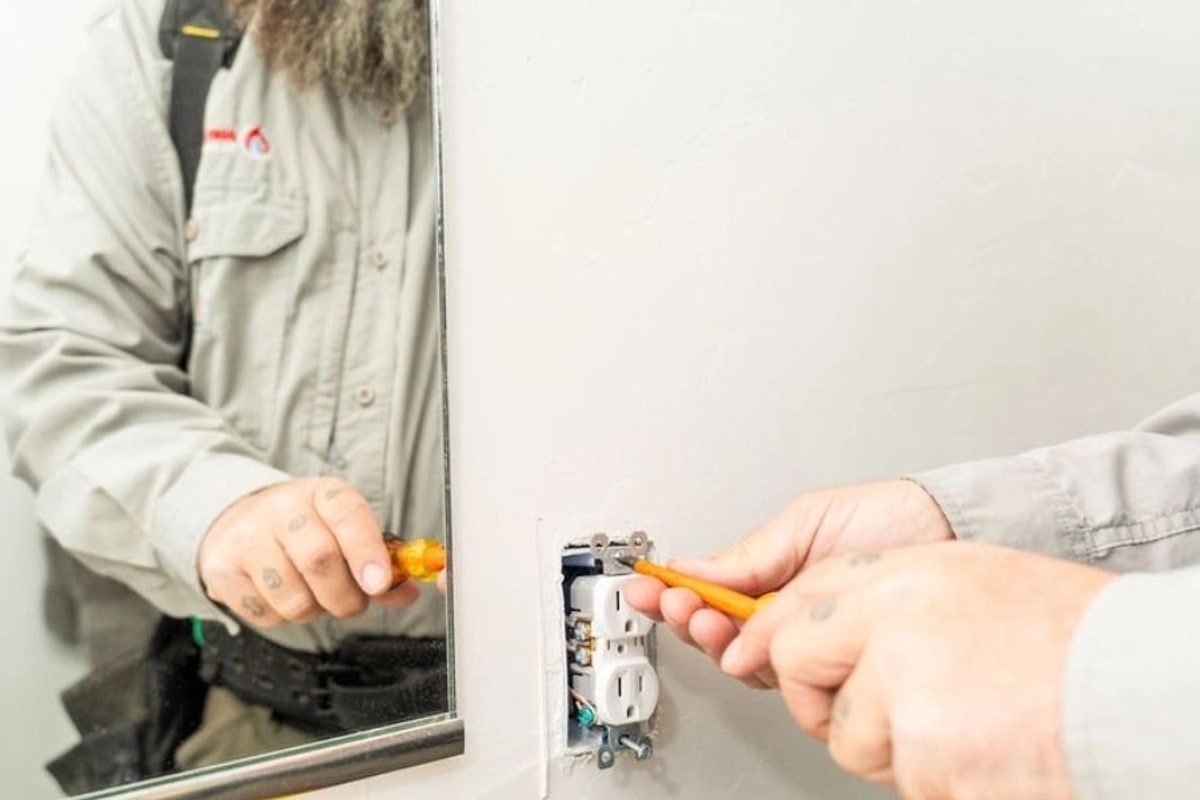
Installing a whole house surge protector involves working inside your electrical panel, which carries 200 amps or more of potentially lethal current. This is not a weekend DIY project.
A licensed electrician will:
-
Shut down the main breaker safely and verify the panel is de-energized.
-
Mount the SPD on a dedicated breaker with the shortest possible wire run (shorter wires mean faster response time).
-
Ensure proper grounding and bonding per NEC (National Electrical Code) requirements.
-
Verify the installation meets all local code compliance standards.
-
Test the system and confirm the LED status indicators show active protection.
Proper grounding is critical. A surge protector can only divert energy to the ground as effectively as your grounding system allows. If your home’s grounding is outdated or compromised, your electrician may recommend upgrades before installing the SPD.
If your electrical panel is older or nearing capacity, an electrical panel upgrade might make sense at the same time, saving you money on a second service call.
How Long Does a Whole House Power Surge Protector Last?
Whole house surge protectors don’t last forever. Most quality devices are designed to last 3 to 5 years under normal conditions, but their effective lifespan depends on surge frequency and intensity.
A home that experiences frequent surges, whether from monsoon storms or unstable grid power, will wear out its SPD faster.
Quality SPDs include LED status indicators that tell you whether the device is still actively protecting your home. When the indicator changes from green to red (or turns off), it’s time for a replacement.
Some premium models also include audible alarms and connected equipment warranties that cover your electronics if the device fails to protect them.
We recommend having your surge protector checked during a regular home electrical inspection to make sure it’s still functioning properly.
How Surge Protection Fits Into a Modern Electrified Home
As more Tucson homeowners transition to electric appliances, EV chargers, and smart home systems, the demand on your electrical system continues to grow.
A whole house surge protector becomes even more important in these fully or partially electrified homes, where sensitive electronics are integrated into nearly every system.
If you’re planning upgrades such as switching to electric appliances or installing new circuits, it’s worth understanding the bigger picture. Our home electrification guide breaks down what to expect and how to prepare your electrical system for these changes.
Protect Your Tucson Home Today With Whole Home Surge Protection
Every day without surge protection is a gamble. Between Tucson’s intense monsoon season, the constant cycling of your HVAC system, and normal grid fluctuations, your home faces dozens of surges that silently damage your electronics and appliances.
A whole house surge protector is a straightforward, affordable upgrade that pays for itself the first time it stops a major surge from frying your equipment.
Ready to protect your home? Call Done Rite Services at (520) 369-3966 or schedule your free estimate today. Our licensed Tucson electricians will assess your panel, recommend the right home surge protection for your home, and have it installed in about an hour.