
Buying your first home in Arizona is exciting, but the desert climate puts unique demands on heating and cooling systems that buyers from other states might not expect.
Your HVAC system will work harder here than almost anywhere else in the country, and understanding what you’re getting into before you close can save you thousands of dollars in surprise repairs.
Here’s what first-time home buyers should know about evaluating, maintaining, and replacing an Arizona HVAC system.
If you’re considering purchasing a home in the Tucson area, contact Done Rite Services. We’ll be happy to complete a thorough HVAC inspection so you’ll know exactly what you’re dealing with from the start.
Table of Contents
A Quality HVAC System Is Essential in Arizona
In Tucson and the surrounding areas, your air conditioner runs for most of the year. Summer temperatures regularly push past 100 degrees, which means your HVAC system isn’t a luxury. It’s a necessity.
A failing system doesn’t just mean discomfort. It can mean a dangerous living situation during peak heat.
That’s why a thorough HVAC inspection should be near the top of your first-time home buyer checklist.
General home inspections often include a basic check of the heating and central air conditioning system, but they rarely dig deep enough to catch the problems that lead to expensive repairs down the road.
First-Time Home Buyer Checklist for HVAC Evaluation
Evaluating the HVAC system is one of the most important steps when buying your first home, especially in our area where cooling tends to run year-round. Use this checklist to understand the system’s condition, anticipate future costs, and avoid unexpected repairs after you move in.
Age of the HVAC Unit
The first thing to determine is how old the HVAC system is. Most central air conditioning systems and furnaces have a lifespan of 15 to 20 years. Heat pumps tend to last around 10 to 15 years.
In the Arizona desert climate, where systems run longer and harder, these timelines can be even shorter.
You can usually find the installation date on the unit’s label or data plate. If the system is more than 10 years old, plan for the possibility of a replacement within the next few years.
The average HVAC replacement cost for a full system ranges from $5,000 to $12,000, depending on the size and efficiency of the equipment. If you’re looking at a new HVAC system, factor that cost into your budget and your offer.
Type of HVAC System
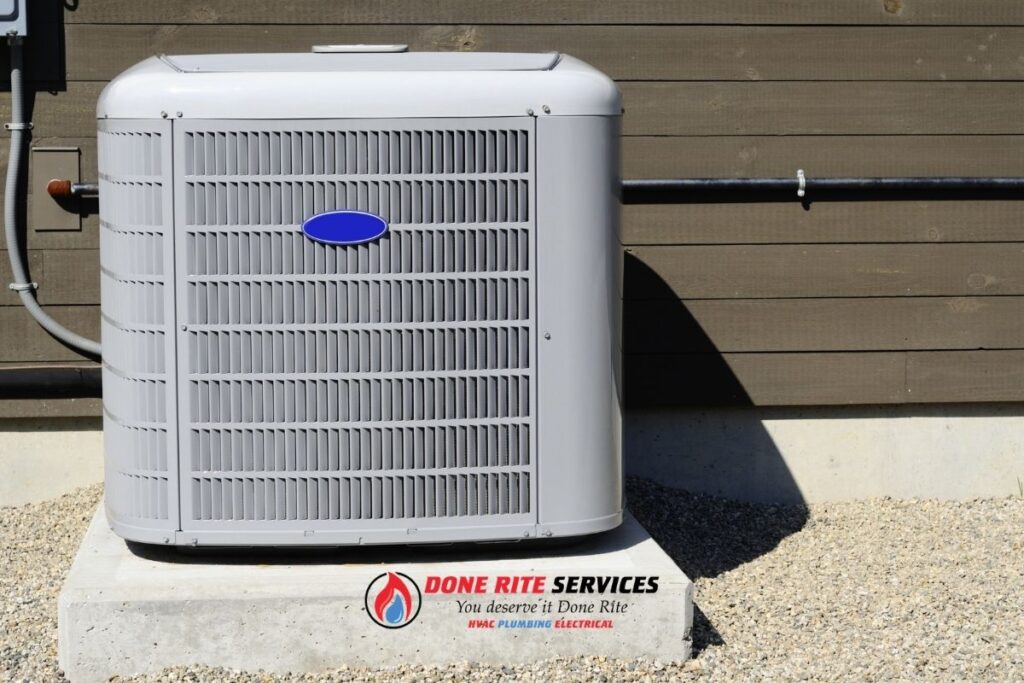
Arizona homes use several types of HVAC equipment. The most common setup is a split system with an outdoor condenser unit and an indoor air handler or furnace.
You’ll also find heat pump systems, which are popular in the Tucson area because they handle both heating and cooling efficiently.
Ductless mini-split systems are becoming more common in older Arizona homes that weren’t originally built with ductwork.
Each type has different maintenance needs, efficiency ratings, and replacement costs, so knowing what you’re working with helps you plan ahead.
HVAC Maintenance Records and HVAC Warranty
A well-maintained HVAC system can last years longer than a neglected one. Ask the seller for maintenance records and find out who has been servicing the equipment.
Regular HVAC tune-up visits once or twice a year keep components clean, catch small problems early, and protect the manufacturer warranty.
Find out whether the HVAC system is still under the manufacturer warranty and whether that warranty is transferable.
Most manufacturers offer 5- to 10-year warranties on major components such as the compressor and heat exchanger, but many of these warranties require proof of regular preventive maintenance to stay valid.
If the home has a home warranty HVAC plan, review what it covers. Some plans have strict limitations on older equipment or may not cover the full cost of a replacement.
HVAC Energy Efficiency
Check the SEER rating on the air conditioning system. SEER stands for Seasonal Energy Efficiency Ratio, and it measures how efficiently the unit converts electricity into cooling.
Older systems might have a SEER rating of 8 to 10, but modern energy-efficient HVAC units range from 15 to 25 or higher.
In Arizona, where your AC runs for six months or more each year, the difference between a low-efficiency and energy-efficient HVAC system shows up directly on your energy bills.
If the home has an older, low-efficiency system, ask for a home energy audit to understand what your monthly costs will look like and whether upgrades make financial sense. Check with our energy-efficient air conditioning tips guide for more ways to save money after closing.
Professional HVAC Inspection
Most home inspections include a basic HVAC check. The inspector will turn the system on, verify it heats and cools, and move on. However, a standard home inspection won’t cover refrigerant levels, evaporator coil condition, compressor health, or ductwork integrity.
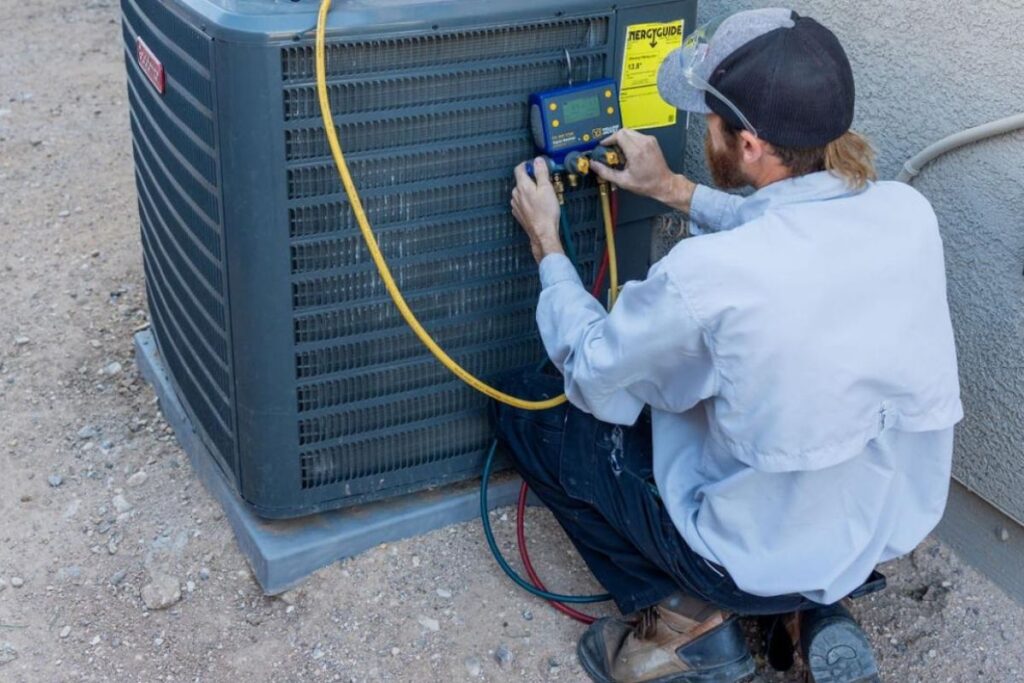
Consider hiring a licensed HVAC technician for a dedicated HVAC system inspection. This deeper evaluation checks components such as the condenser unit, air handler, thermostat calibration, and electrical connections.
The inspector will be able to tell you the overall condition of the system, whether you need heater repair or air conditioning repair, and when you might be looking at a new heater or AC installation.
The HVAC inspection cost typically runs between $100 and $300, which is a small price compared to the cost of inheriting a system that needs major work.
Red Flags To Watch For
You don’t need to be an HVAC technician to spot warning signs during a showing. Keep an eye out for:
- Rust or corrosion on the outdoor condenser unit.
- Unusual noises when the system cycles on (banging, grinding, or squealing).
- Uneven temperatures between rooms.
- Musty or burning smells when the system runs.
- Visible damage or gaps in the ductwork.
- Excessively dirty air filters, which suggest neglected maintenance.
- Water stains near the air handler or around supply vents.
Any of these issues is worth bringing up with the seller and investigating further through a professional HVAC inspection.
What To Do if the HVAC System Isn’t Up to Standards
If the HVAC inspection turns up problems, use that information to your advantage during negotiations.
A system that’s near the end of its lifespan or needs significant repairs gives you leverage to ask for a price reduction, a repair credit, or even a full system replacement before closing.
For first-time home buyers in particular, this is an important strategy. Heater or AC replacement costs can stretch a tight budget, and negotiating upfront is almost always better than paying out of pocket after you move in.
If you’re buying in the Tucson-Marana area, working with a knowledgeable local realtor makes a big difference.
Liz Stoughton from Your Marana is a local realtor who partners with trusted local contractors to make sure buyers feel confident in every aspect of their purchase. She is one of the rare ones who believes going a step beyond what is expected should be standard.
How To Protect Your Investment
Once you have the keys, take these steps to protect your investment:
- Schedule a professional HVAC tune-up if the seller didn’t have one done recently. This gives you a baseline for the system’s condition.
- Change the air filters and set a reminder to replace them every 30 to 90 days, especially during the dusty Tucson monsoon season when haboobs are common.
- Set up a maintenance plan with a trusted Tucson HVAC contractor. Regular preventive maintenance keeps the system running efficiently and extends its useful life.
- If the home doesn’t have a smart thermostat, consider upgrading to one, and program it to fit your schedule. Proper temperature management in the Arizona heat can significantly reduce energy bills.
- Have the ductwork inspected. Leaky or poorly insulated ducts waste energy and make the system work harder than it needs to, particularly in desert climate conditions where attic temperatures can exceed 150 degrees.
When To Replace HVAC Units Instead of Repair
If the home’s HVAC system is already showing its age, knowing when to pull the trigger on a replacement is just as important as knowing what to inspect. Here are the general guidelines for when a repair is the best choice:
- The system is more than 15 years old and needs a major repair.
- Repair costs exceed 50% of what a new system would cost.
- The system uses R-22 refrigerant, which has been phased out and is expensive to source.
- Energy bills are significantly higher than comparable homes in the area.
- The system can’t maintain comfortable temperatures during peak summer heat.
A new, high-efficiency system with a strong SEER rating will pay for itself over time through lower monthly energy costs, and if you’re buying a home where the HVAC system is close to end of life, replacing it gives you peace of mind and a fresh warranty.
Trust the Experts at Done Rite Services
Whether you’re evaluating an HVAC system before buying or need a professional HVAC inspection on a home you’ve already purchased, Done Rite Services is here to help.
Our team provides honest assessments, expert air conditioner maintenance and repairs, and professional air conditioning installation for homeowners across Tucson and the surrounding areas.
Call Done Rite Services at (520) 369-3966 to learn more, or contact us today to schedule an inspection or get a free estimate.